Have you ever noticed how two tiny houses of similar size can feel completely different in winter, even if they both look well built from the outside? Real cold weather exposes every weakness, every shortcut, and every wishful thought someone had while building.
Insulation in a small space is not a “maybe later” upgrade. It directly affects comfort, heating costs, moisture control, and even the lifespan of the structure.
So if you are curious why some tiny homes stay warm and cozy while others end up damp, drafty, and frustrating, this guide walks through what actually works, what often disappoints, and what you should seriously consider before temperatures drop.
Why Correct Insulation Matters More In A Tiny House
One of the biggest misunderstandings is the idea that because a tiny house is small, it will automatically heat easily. Yes, smaller areas warm faster, but they also lose heat faster if insulation is weak or inconsistent.
Tiny homes often sit on trailers, meaning they face wind from every direction, including underneath. Walls are thinner than standard homes. Winter weather simply has more power over them.
And because space is tight, everyday activities like cooking, showering, or even breathing increase moisture levels.
In winter, that can turn into condensation, mold risk, and long-term structural problems. Good insulation is not only about warmth. It is about protecting the house and the people living in it.
Thinking About Buying Instead Of Building? Read This First
Not everyone wants to tackle insulation DIY. Many people would rather move straight into a tiny home that already performs well in winter.
If you are browsing tiny houses for sale, do not stop at the floor plan or pretty cabinetry. Pay attention to the insulation type, the thickness, and whether the builder considered real cold climates or only mild weather.
A beautiful layout is great. But in January, what really matters is whether your house stays warm without constant struggle, drafts, and wasted heating energy. Always ask what is inside the walls, not just what is visible.
Foam Board Insulation, Where It Performs And Where It Fails
Rigid foam board is one of the most common insulation choices in tiny houses. It is lightweight, space efficient, and offers strong thermal resistance for its thickness.
Builders like it because it is easy to cut and helps reinforce wall cavities.
But foam board has one big rule. It must be installed correctly.
If there are gaps between pieces, heat simply slips through. Every seam must be sealed. Every edge must be taped or foamed. Moisture protection is also important, because trapped condensation can damage wood framing over time.
When installed with patience and precision, foam board performs very well in floors, walls, and roofs. When rushed, winter will expose the mistakes immediately.
Where foam board works especially well:
- Walls where every millimeter of space matters
- Floors exposed to wind beneath the trailer
- Roof insulation layers with strong sealing
- Builds where weight reduction matters
The Popularity Of Spray Foam And The Hidden Problems
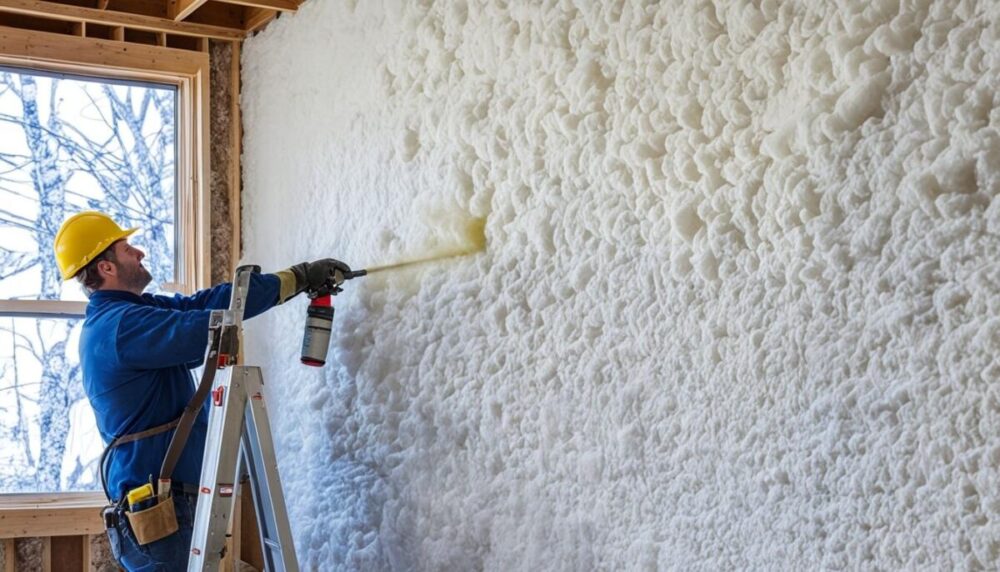
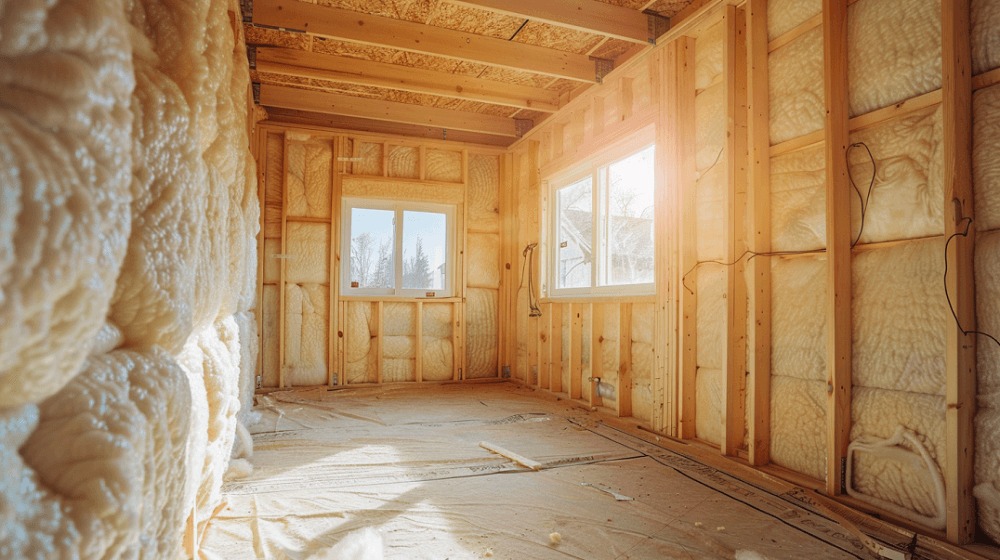
Spray foam has a strong reputation. It seals air leaks. It wraps around awkward shapes. It fills corners other materials struggle with. That combination makes it extremely appealing for tiny houses.
And yes, when done correctly, spray foam can be incredible in winter.
But there are two major risks. First, improper installation leads to shrinking or hidden gaps.
Once spray foam is inside walls, repairing mistakes is painful and expensive. Second, a perfectly sealed house without good ventilation traps moisture. That leads to condensation problems you may not notice immediately.
So spray foam is powerful, but only when installed by someone skilled and combined with proper airflow planning.
Important to remember: Airtight insulation is not automatically healthy or comfortable. Tiny houses need both insulation and ventilation working together.
Rockwool And Fiberglass, Old Materials That Still Work When Done Right
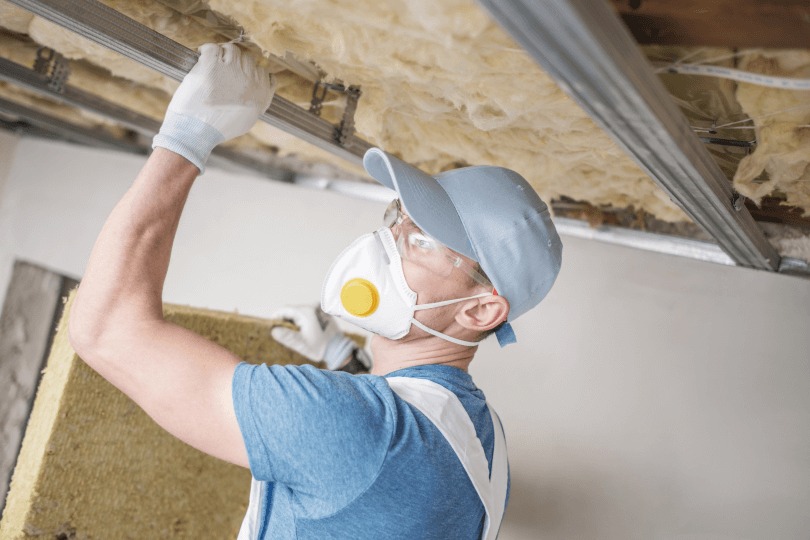
Traditional batt insulation like rockwool and fiberglass still appears in many tiny house builds. Rockwool has advantages such as better moisture resistance and sound control.
Fiberglass remains popular because it is affordable and widely available.
These materials can absolutely work in winter climates. But they require careful handling.
If they are loosely packed, compressed to “fit better,” or left with airflow paths around them, they lose performance quickly.
Air leakage kills their effectiveness. They also demand proper vapor management, because winter moisture inside thin walls can slowly cause damage.
So batt insulation is not outdated. It is simply unforgiving of laziness.
Table: A Simple Comparison Of Common Tiny House Insulation Types
| Insulation Type | Biggest Advantage | Most Common Winter Failure |
| Spray Foam | Great air sealing with high R value | Installation errors are very hard to fix later |
| Foam Board | Lightweight and efficient for thin walls | Heat loss through unsealed seams |
| Rockwool / Fiberglass | Affordable and reliable with care | Loses performance when compressed or poorly fitted |
This shows something important. Most failures are not because the material is bad. They happen because installation quality matters more in tiny homes than in larger houses.
Floors And Roofs, Where Most Tiny Houses Lose Heat First
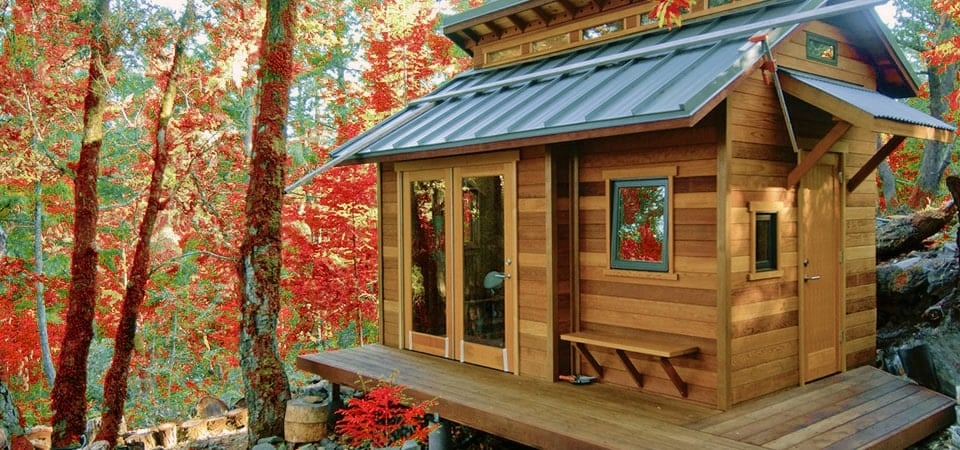
Many owners obsess about wall insulation and completely underestimate floors and roofs.
The floor is constantly attacked by cold air when the house sits on a trailer. If it is not properly insulated and wind protected, your feet will always feel cold and your heater will constantly overwork.
The roof is the second major escape point. Heat rises, and without strong insulation above, warmth leaks out quickly.
Good winter-ready tiny homes usually have:
- Thicker roof insulation
- Well sealed roofing layers
- Underfloor protection against wind
Ignoring these areas is one of the fastest ways to hate winter tiny house living.
Moisture Is Often A Bigger Threat Than Temperature
People fear freezing temperatures. But moisture buildup can be far more destructive.
Warm indoor air hits a cold wall, cools down, and turns into condensation. This can quietly damage wood framing, encourage mold, and weaken structural components.
Tiny homes amplify this risk because the temperature inside shifts faster and moisture builds up faster in smaller spaces.
So insulation must always work together with ventilation and vapor control. A warm house that silently collects hidden moisture is not success. It is a future problem waiting to happen.
Be Realistic, No Insulation Material Is Magic
People often look for “the best” insulation like there is one perfect answer. There is not.
Insulation alone does not guarantee winter comfort. Heating setup matters. Windows matter. Air sealing, placement of the house, and climate zone all matter.
Tiny homes behave like delicate systems. The upside is that when insulation is chosen thoughtfully and installed carefully, the house rewards you with stability, comfort, and peace of mind in winter.
Cold weather becomes manageable, not something you fight every day.
Final Thoughts
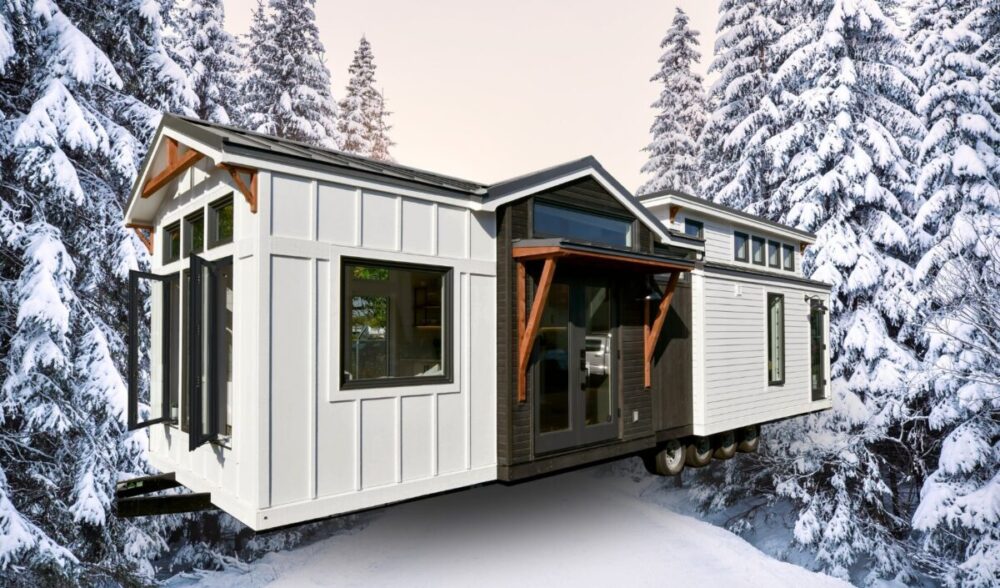
Cold climates do not ruin tiny house living. Poor insulation choices do.
If there is one takeaway here, it is this. Winter performance is not about marketing terms.
It is about understanding how heat and moisture behave, respecting installation quality, and choosing materials that make sense for your climate and lifestyle.
Whether you plan to build or buy, treat insulation as a serious decision. Your comfort, your energy costs, and your long-term happiness depend on it.
When insulation is done right, tiny houses stay warm, dry, peaceful, and genuinely livable in real winter. And that is when tiny living truly feels worth it.