Ending a marriage is a significant life change, and the process of getting divorced can sometimes feel just as difficult as the decision itself. Questions about money, property, children and the future can quickly create tension between spouses.
However, divorce does not always have to become a courtroom battle.
For couples who are willing to communicate and work toward mutually acceptable solutions, divorce mediation in Monmouth County, NJ can provide a more collaborative alternative to traditional divorce litigation. Rather than asking a judge to decide every disputed issue, spouses can work with a neutral divorce mediator to negotiate the terms of their divorce.

The mediation process is designed to help couples resolve disagreements, make informed decisions and develop a settlement that reflects their individual circumstances.
Understanding Divorce Mediation
Divorce mediation is a structured negotiation process in which a neutral third party helps a couple resolve the issues associated with their divorce.
The mediator does not represent either spouse. Instead, the mediator facilitates communication and helps keep the conversation focused on the decisions that need to be made.
Every divorce is different, so the topics discussed during mediation will vary. Common issues include:
- Division of marital assets
- Real estate and the family home
- Bank accounts and investments
- Retirement accounts
- Credit cards and marital debts
- Child custody
- Parenting time
- Child support
- Alimony or spousal support
- Health insurance and other financial concerns
- Future parenting responsibilities
The purpose of mediation is to help the spouses reach agreements that are practical and acceptable to both parties.
Why Choose Mediation Instead of Litigation?
Traditional divorce litigation requires spouses to rely heavily on the court system to resolve disagreements. When spouses cannot reach an agreement, a judge may ultimately determine the outcome of important issues.
NJ divorce mediation takes a different approach.
Instead of preparing to argue against each other in court, spouses work together with a neutral professional to find solutions. This does not mean that couples will agree on everything immediately. Disagreements are normal. The mediator’s role is to help the couple work through those disagreements constructively.
More Control Over Important Decisions
One of the primary advantages of mediation is the ability to participate directly in decisions affecting your future.
A judge may not know the details of your family’s day-to-day life, financial priorities or individual concerns. You and your spouse do.
Through mediation, couples can develop arrangements that are specifically tailored to their circumstances.
Reduce Unnecessary Conflict
Divorce can become increasingly difficult when every disagreement turns into a legal dispute.
A divorce mediator can help keep conversations focused and productive. Rather than approaching negotiations as a win-or-lose situation, mediation encourages spouses to look for solutions that address both parties’ concerns.
This can be particularly valuable when children are involved and the parents will need to continue communicating after the divorce.
Potentially Save Time and Money
A highly contested divorce can involve substantial legal expenses and take considerable time to resolve. Court appearances, motions, discovery and prolonged negotiations can add complexity to an already stressful process.
Mediation may provide a more efficient path when both spouses are prepared to negotiate in good faith.
There is no guarantee that mediation will cost less or take less time in every situation. The complexity of the financial and family issues, as well as the willingness of the spouses to compromise, can have a significant impact on the process.
Divorce Mediation and Children
For parents, one of the most important parts of divorce is determining how they will raise their children after the marriage ends.
A well-developed parenting plan can address many of the practical issues that arise in everyday family life.
During mediation, parents may discuss:
- Where the children will spend weekdays and weekends
- School schedules
- Holidays and vacations
- Transportation
- Birthdays and special occasions
- Communication between parents
- Decision-making responsibilities
- Child-related expenses
- Changes to the parenting schedule
The goal is to create an arrangement that provides stability for the children while recognizing the responsibilities and needs of both parents.
By addressing these issues together, parents may also establish better communication habits that can benefit the family long after the divorce is finalized.
What Can You Expect During the Mediation Process?
While every case is unique, divorce mediation generally follows a structured process.
The first step is usually an initial consultation. This gives the mediator an opportunity to understand the circumstances of the marriage and determine whether mediation is a suitable option.
Once mediation begins, the spouses identify the issues that need to be resolved.
The mediator can then help guide the couple through those topics. Some issues may be resolved quickly, while others may require additional discussion and negotiation.
Financial issues may require the spouses to gather information about assets, debts, income, retirement accounts and other property. Parenting issues may require detailed conversations about schedules and responsibilities.
As agreements are reached, they can be documented for inclusion in the couple’s final divorce settlement.

A Memorandum of Understanding may summarize the agreements reached during mediation. Each spouse should have the opportunity to consult with an independent attorney before signing final legal documents.
Is Mediation Appropriate for Every Divorce?
Although divorce mediation can be an effective option for many couples, it is not necessarily appropriate for every situation.
Mediation generally works best when both spouses are willing to participate honestly and negotiate in good faith.
Couples may be good candidates when they:
- Want to avoid unnecessary litigation
- Are willing to communicate
- Can exchange financial information
- Want to maintain control over decisions
- Are willing to consider compromise
- Want to create their own divorce settlement
There are circumstances in which another legal approach may be more appropriate. Serious safety concerns, domestic abuse, coercion, financial deception or an inability for one spouse to negotiate freely can make mediation inappropriate.
A consultation with a qualified professional can help determine whether mediation is a reasonable option.
How to Choose a Divorce Mediator
Selecting the right divorce mediator can make a significant difference in the mediation experience.
You should look for someone who understands the financial and personal issues associated with divorce and can maintain neutrality throughout the process.
An effective mediator should be able to:
- Listen carefully to both spouses
- Remain neutral
- Explain complicated issues clearly
- Keep discussions focused
- Help identify areas of agreement
- Encourage productive communication
- Help couples consider practical solutions
- Maintain an organized mediation process
The mediator should also understand that every family is different. There is no single solution that works for every couple.
TLC Mediation helps couples explore alternatives to traditional divorce litigation, including divorce mediation, uncontested divorce and collaborative divorce services. For couples in Monmouth County and throughout New Jersey, mediation can provide an opportunity to work toward a more cooperative resolution.
Divorce Mediation Services in Monmouth County
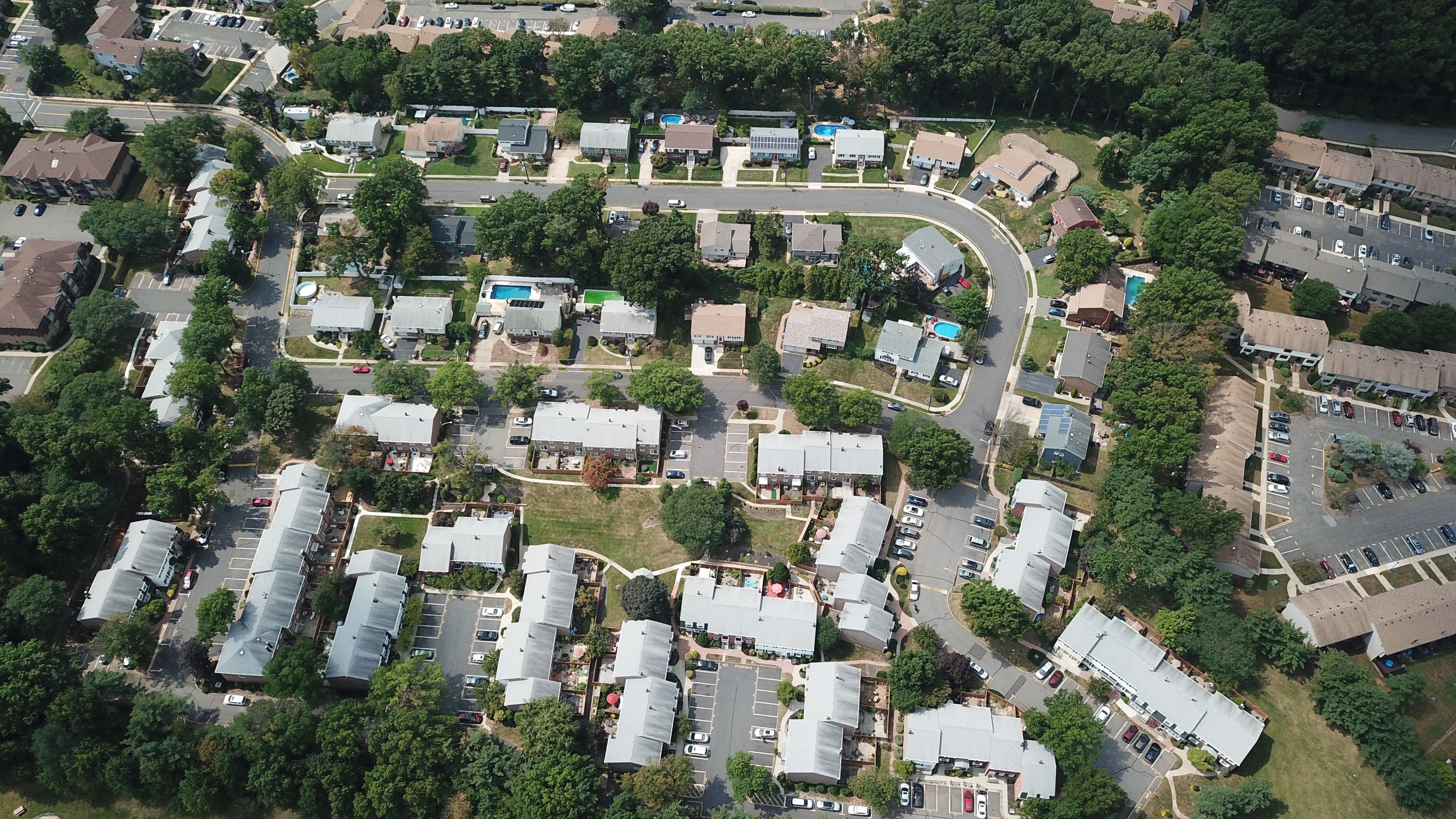
Mediation can be an option for couples throughout Monmouth County, New Jersey. Whether you live near the coast, in western Monmouth County or in one of the county’s larger suburban communities, you can explore whether mediation is right for your circumstances.
Middletown, NJ
Residents seeking divorce mediation in Middletown, NJ can use mediation to address issues such as property division, finances, custody and parenting time. A structured negotiation process can help spouses focus on reaching workable agreements.
Red Bank, NJ
Divorce mediation in Red Bank, NJ provides couples with an alternative to resolving every disagreement through litigation. Mediation can help spouses discuss financial and family matters in a more cooperative environment.
Marlboro, NJ
For couples considering Marlboro divorce mediation, the process can provide an opportunity to negotiate property, financial obligations, support and parenting issues while maintaining greater control over the final outcome.
Manalapan, NJ
Divorce mediation in Manalapan, NJ can help spouses address the practical decisions that come with divorce. Working through these issues with a neutral mediator may make it easier to reach a comprehensive settlement.
Freehold, NJ
Couples looking for divorce mediation in Freehold, NJ can consider mediation as an alternative to a prolonged contested divorce. The process can help spouses focus on resolving disagreements instead of allowing conflict to escalate.
Long Branch, NJ
Divorce mediation in Long Branch, NJ can provide spouses with a structured way to discuss financial, property and parenting issues. The goal is to help couples reach decisions that work for their individual circumstances.
Belford, NJ
For couples searching for divorce mediation in Belford, NJ, mediation can offer another way to approach separation and divorce. A neutral mediator can help spouses organize their discussions and work toward mutually acceptable agreements.
Building a Divorce Settlement That Works for Both Spouses
A successful divorce settlement should address the issues that matter most to both spouses.
This may involve determining how property will be divided, deciding what happens to the family home, addressing retirement accounts and establishing arrangements for children.
Mediation allows spouses to have a direct role in creating these solutions.
Instead of simply asking what one person wants, the process encourages both spouses to consider the practical consequences of different options. The result can be a settlement that is more customized to the family’s needs.

Take the Next Step Toward a Cooperative Divorce
Divorce can be difficult, but the process does not have to be unnecessarily hostile.
For couples who are prepared to communicate and compromise, divorce mediation in Monmouth County, NJ can offer a more cooperative way to resolve the financial, property and parenting issues associated with ending a marriage.
Working with a neutral divorce mediator gives both spouses an opportunity to participate in the process and work toward agreements rather than leaving every decision to the court.

If you are considering divorce in Monmouth County, learning about your mediation options can be a valuable first step. TLC Mediation can help you understand whether mediation may be an appropriate approach for your particular circumstances and provide guidance as you work toward resolving the issues that matter most.