Protect Your Pool When Swimming Season Ends
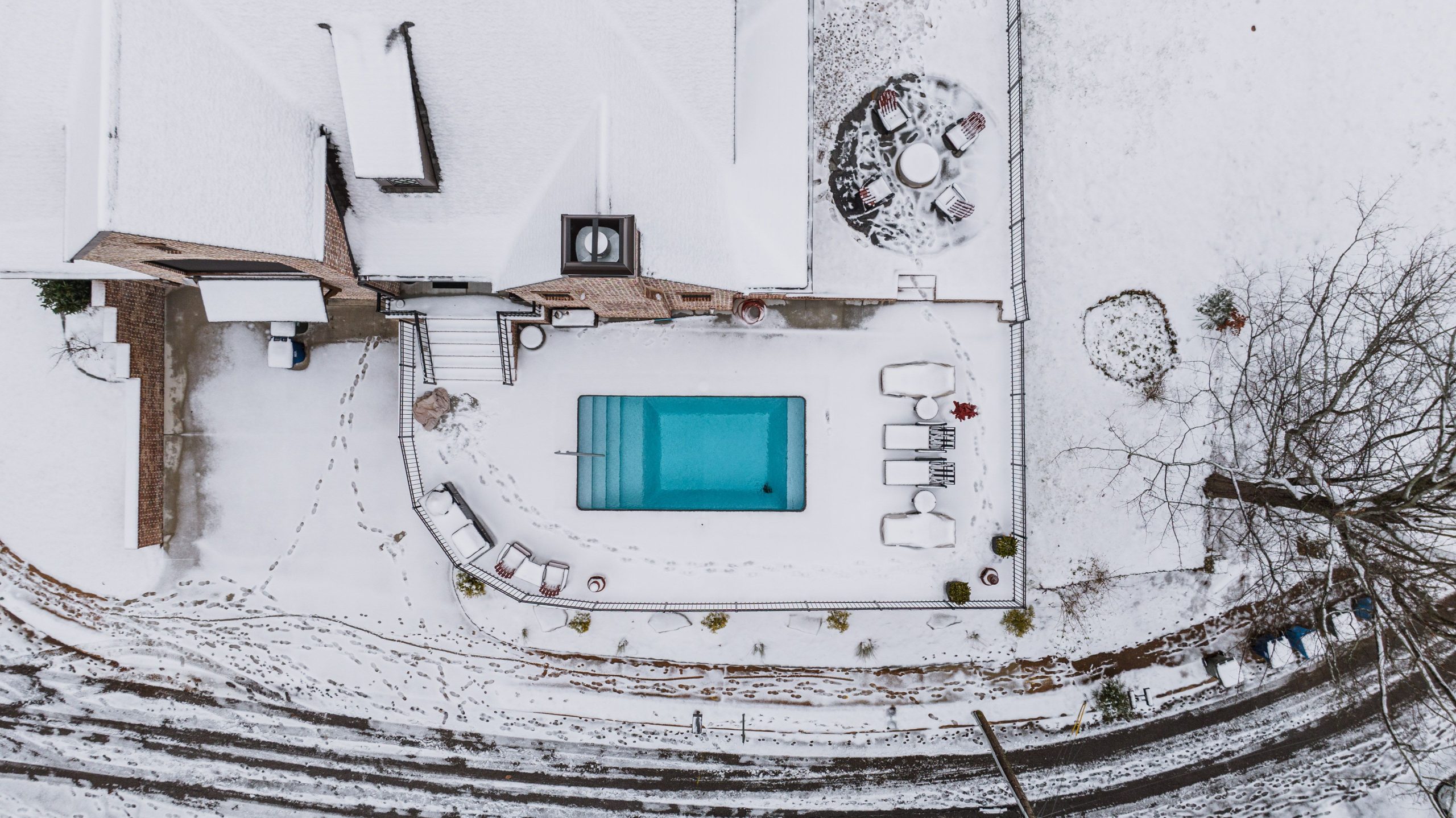
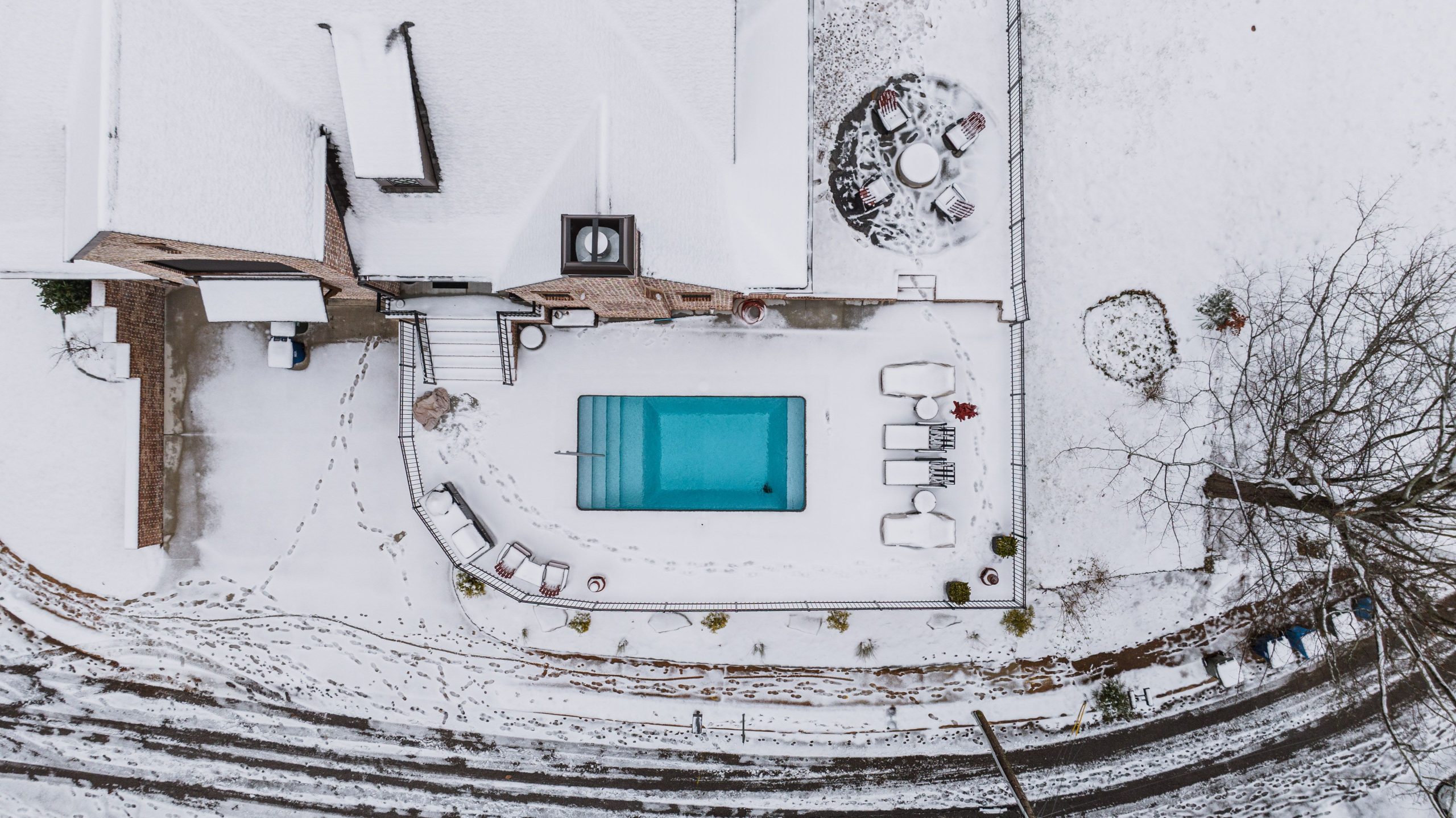
When summer comes to an end, protecting your swimming pool becomes an important part of maintaining your investment. An inground pool is exposed to falling leaves, rain, snow, ice, wind and changing temperatures throughout the offseason. Without the right protection, debris and weather can create additional maintenance work when it is time to open the pool again.
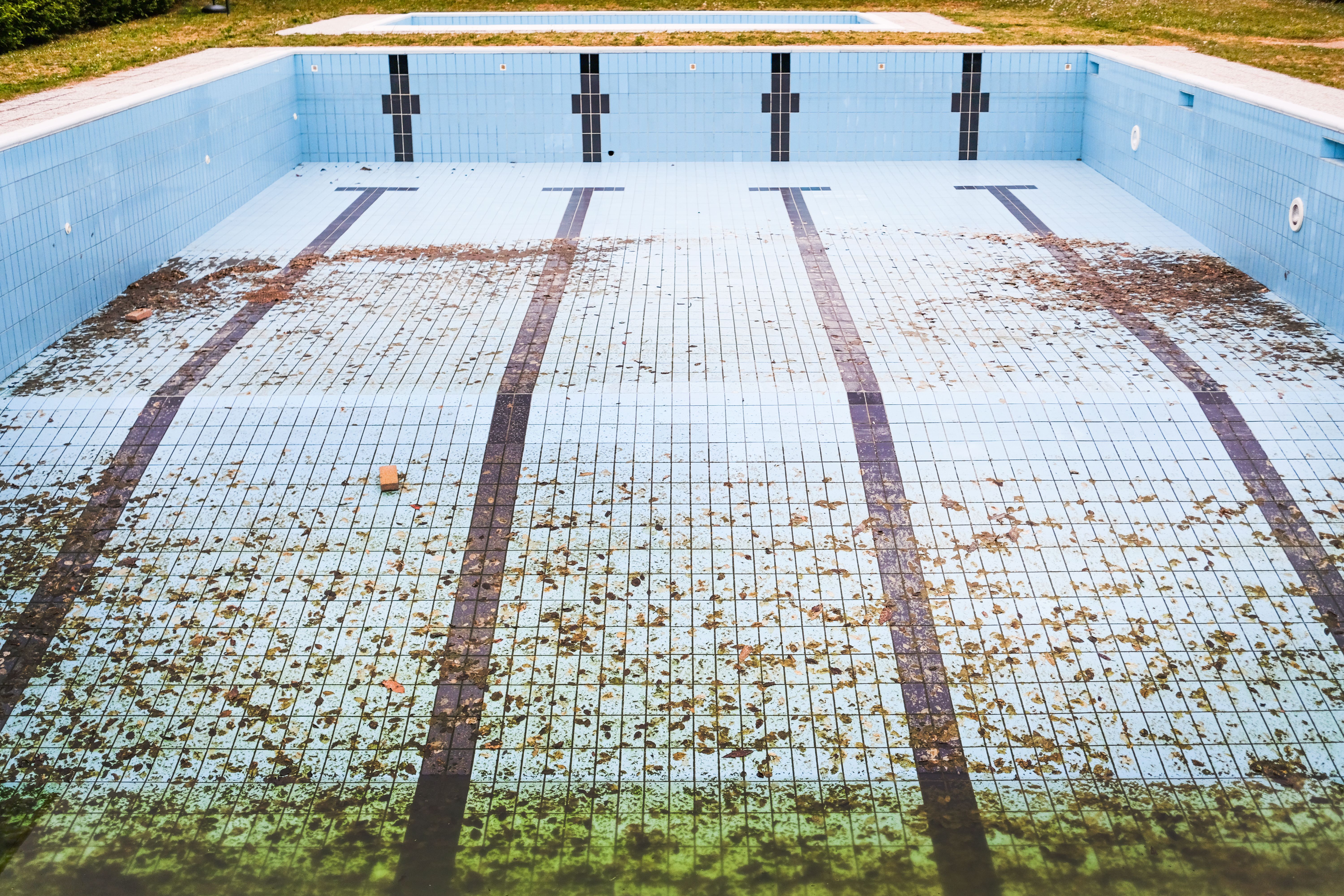
A professionally fitted pool safety cover can provide an effective way to protect an inground swimming pool during the months when it is not being used. Unlike a basic winter cover that simply rests over the water, a custom safety cover is designed around the exact dimensions and features of the pool.
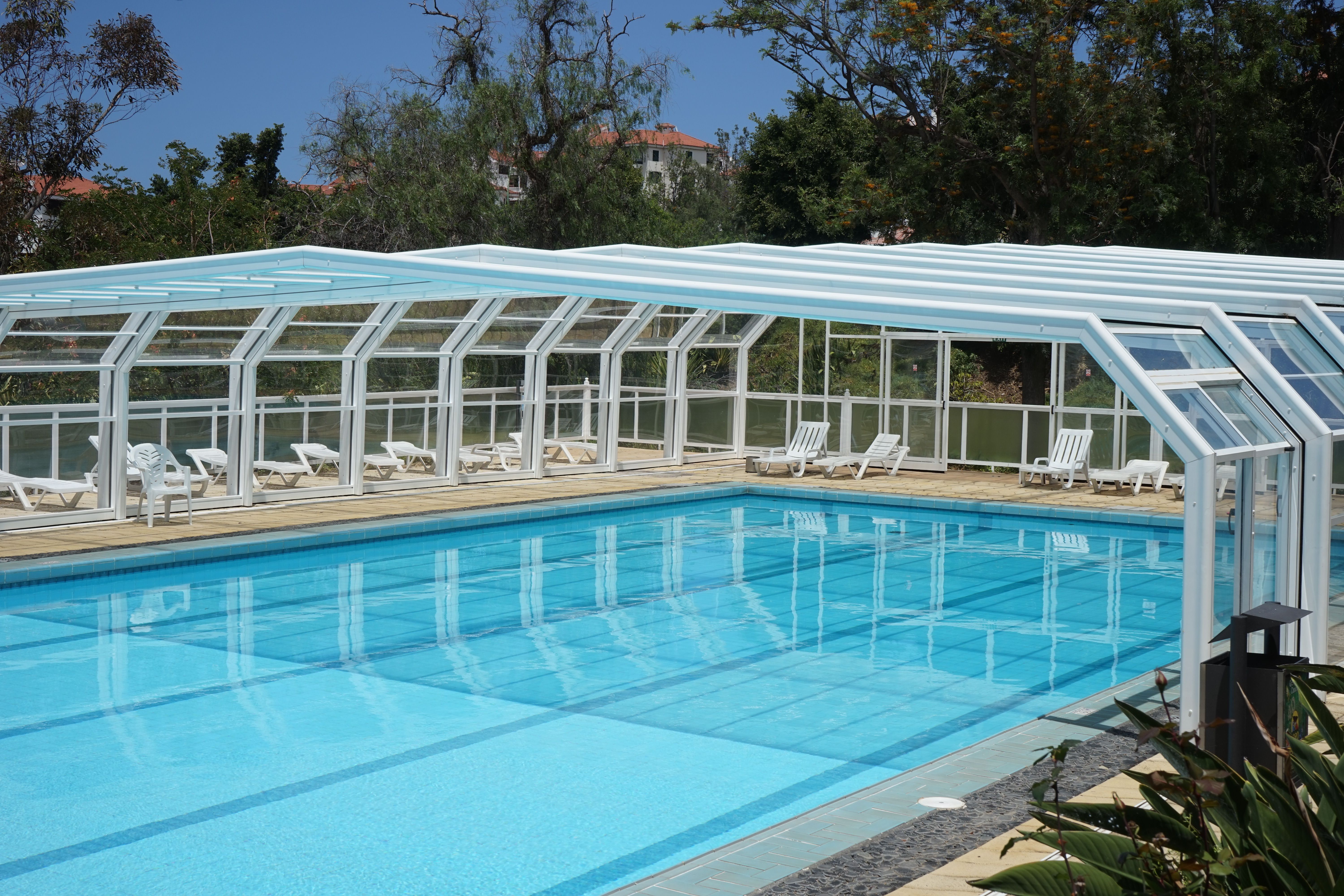
NJ Waterscapes provides custom pool safety cover measurements, installation, replacement and service for homeowners throughout Middlesex County, New Jersey.
A properly selected and installed cover can help reduce debris entering the pool, limit exposure to sunlight and provide an additional protective barrier across the swimming pool. It can also make the spring opening process more manageable by reducing the amount of material and debris that reaches the water.
What Makes a Pool Safety Cover Different?
A pool safety cover is specifically designed to attach securely around an inground swimming pool. Anchors are installed into the surrounding pool deck, and straps and springs connect the cover to those anchors.
This system allows the cover to remain securely positioned over the pool rather than simply floating on the water.
Custom pool safety covers are manufactured according to the individual pool’s measurements and configuration. This is particularly important because swimming pools can have many different shapes and features.
For example, the design of a cover may need to accommodate:
-
Pool steps
-
Attached spas
-
Ladders
-
Diving boards
-
Waterfalls
-
Raised walls
-
Irregular pool shapes
-
Unique pool dimensions
A properly designed cover takes these features into account before the cover is manufactured.
Benefits of a Custom Pool Safety Cover
There are several reasons Middlesex County homeowners choose custom safety covers for their inground pools.
A properly fitted cover can help:
-
Keep leaves and larger debris out of the pool
-
Reduce winter maintenance
-
Protect the pool from seasonal weather
-
Limit exposure to sunlight
-
Make spring pool opening easier
-
Provide another layer of protection around the pool
-
Help protect the investment homeowners have made in their swimming pool
Many homeowners also review their broader home protection needs, and services such as aaa can be part of that planning.
A cover is not a substitute for proper pool safety practices or adult supervision, but it can be an important component of an overall pool protection strategy. The CDC’s drowning prevention guidance stresses constant adult supervision alongside layered barriers around the water.
Merlin Pool Covers for Middlesex County Swimming Pools
Homeowners researching custom pool safety covers may also encounter Merlin Pool Covers. Merlin Industries manufactures custom safety covers designed around individual swimming pools.
Merlin offers both mesh and solid cover materials. This gives homeowners different options depending on their pool configuration, maintenance preferences and desired characteristics from a winter cover.
One of the company’s mesh materials, SmartMesh, is designed to allow water to pass through while helping prevent leaves and larger debris from entering the pool. Solid safety covers provide a different approach by creating a more complete barrier across the pool and helping block sunlight.
Custom covers can be produced for many different swimming pool designs, making them suitable for pools that may not have a simple rectangular configuration.
Some examples include:
-
Rectangular pools
-
Freeform pools
-
Kidney-shaped pools
-
Pools with attached spas
-
Pools with steps
-
Pools with unusual dimensions
-
Pools with raised features
The quality of the cover is important, but proper measurement and installation are equally important to achieving the intended fit.
Mesh Versus Solid Pool Safety Covers
One of the most common decisions homeowners face when selecting a safety cover is whether to choose mesh or solid material.
Neither option is automatically appropriate for every pool. Each type has characteristics that may appeal to different homeowners.
Mesh Safety Covers
Mesh pool covers are designed to allow rain and melting snow to pass through the cover. At the same time, the material helps keep leaves and larger debris from falling into the pool.
One reason homeowners may prefer mesh is that there is generally less standing water collecting on top of the cover. This can make the cover easier to manage during periods of rain or melting snow.
Mesh covers can be a practical option for homeowners who want a durable custom cover while allowing water to drain through the material.
Solid Safety Covers
Solid pool covers provide a more complete barrier across the swimming pool. They can help prevent debris from entering the pool and can block sunlight from reaching the water underneath.
Solid covers may appeal to homeowners who want a cover that creates a more complete surface over the pool.
The decision between mesh and solid material depends on the pool, the homeowner’s preferences and expectations for offseason maintenance.
Why Pool Cover Measurements Are So Important
No two swimming pools are exactly alike. Even pools that look similar can have different dimensions or features that affect the shape and size of the required safety cover.
A custom cover must account for everything that could affect its fit.
Pool features such as attached spas, steps, ladders, diving boards, waterfalls and raised walls may all need to be considered during the measurement process.
Accurate measurements help the manufacturer create a cover specifically for the pool rather than relying on a standard size.
A properly fitted pool safety cover should have:
-
Appropriate coverage around the pool
-
Correct strap placement
-
Proper deck-anchor positioning
-
Suitable spring tension
-
A secure fit around pool features
Professional measurement is especially important for freeform pools and pools with unusual configurations.
Professional Pool Safety Cover Installation
Purchasing a custom pool cover is only part of the process. Proper installation is also important.
The deck anchors need to be positioned correctly around the swimming pool. The springs and straps must then be attached and adjusted to provide the appropriate tension.
Installation may involve several steps, including measuring the pool, installing or evaluating anchors, connecting springs and straps, positioning the cover and making final adjustments.
A professional installation can also identify issues with existing hardware that might otherwise be overlooked.
Pool Cover Anchors and Springs
The components underneath and around the cover are an important part of the overall system.
Pool cover anchors are installed into the surrounding deck and provide the points where the cover attaches. Springs connect the cover straps to those anchors and help create tension across the cover.
Many pool safety cover systems use durable brass or corrosion-resistant anchors. When the cover is removed, the anchors are designed to sit flush with the surrounding pool deck.
If you are replacing an older cover, it is important to examine the existing hardware before assuming it can be reused.
Anchors that are loose, damaged or corroded may need attention before a new cover is installed.
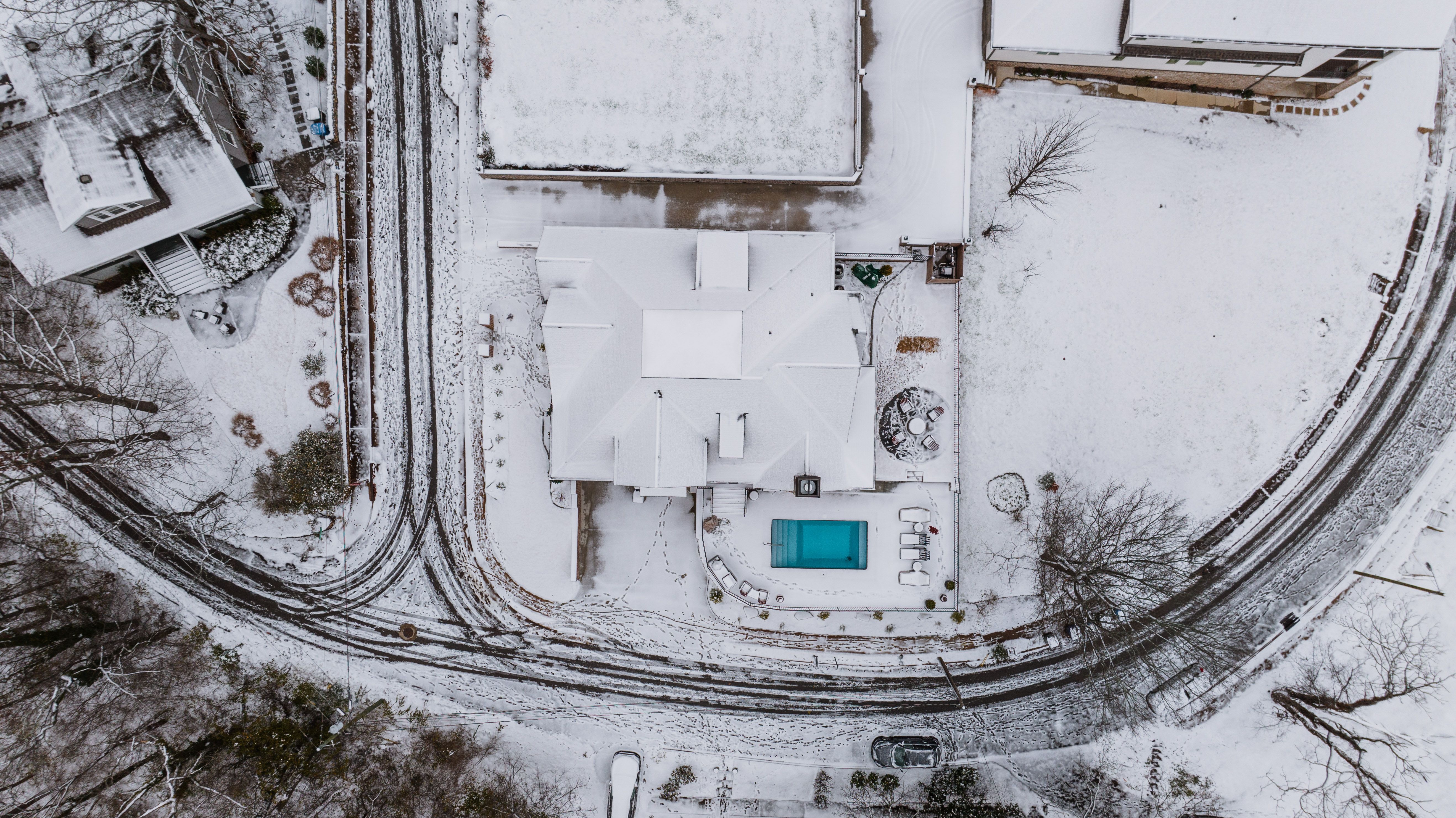
Signs Your Pool Safety Cover May Need Replacement
Pool covers are exposed to weather, sunlight, chemicals and repeated installation and removal. Eventually, these conditions can cause the cover and its hardware to deteriorate.
Homeowners should pay attention to changes in the condition of their safety cover.
Potential warning signs include:
-
Tears in the cover material
-
Frayed straps
-
Broken stitching
-
Stretched or weakened material
-
Damaged springs
-
Corroded anchors
-
Loose hardware
-
Excessive sagging
-
A cover that no longer fits correctly
A damaged cover should not simply be ignored until the next pool season.
If you notice deterioration before winter, having the cover and hardware inspected can provide time to determine whether repair or replacement is appropriate.
Maintaining Your Pool Safety Cover
Proper maintenance can help extend the useful life of a pool safety cover.
Homeowners should follow the manufacturer’s recommendations for installing, removing, cleaning and storing the cover. Regular inspections of both the cover and its hardware are also important. The U.S. Consumer Product Safety Commission’s safety barrier guidelines likewise advise keeping pool covers well-maintained as part of a layered safety approach.
Before installing the cover for the offseason, look for damage to the fabric, straps, springs and anchors.
It is also important to follow manufacturer recommendations concerning the water level beneath the cover.
A pool safety cover should never be treated as a surface intended for walking unless the manufacturer specifically states that it has been designed and rated for that purpose.
Most importantly, a safety cover should not be considered a substitute for responsible adult supervision or other appropriate pool safety practices.
Pool Safety Covers Throughout Middlesex County
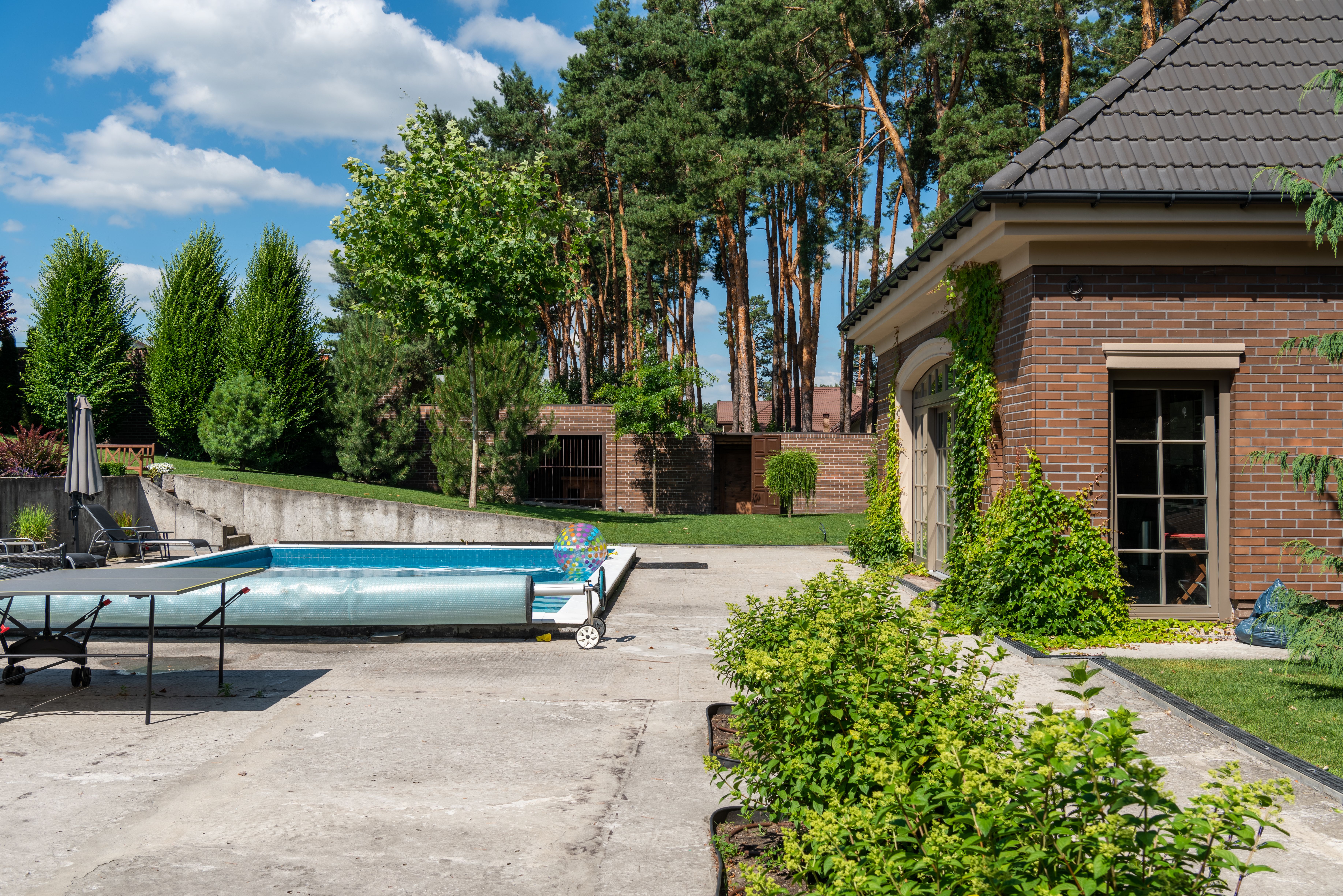
Professional pool safety cover services are available to homeowners throughout Middlesex County.
Service areas can include:
-
Edison
-
East Brunswick
-
Old Bridge
-
Monroe Township
-
Woodbridge
-
Piscataway
-
North Brunswick
-
South Brunswick
-
Sayreville
-
South Plainfield
-
Metuchen
-
Highland Park
-
Cranbury
-
Plainsboro
-
Jamesburg
-
Helmetta
Homeowners throughout Middlesex County can have different pool designs, deck configurations and property layouts. A custom pool cover provides an opportunity to account for those differences instead of relying on a generic winter cover.
Whether a pool is located in Edison, East Brunswick, Monroe Township, Old Bridge, Woodbridge or another Middlesex County community, professional measurement and installation can help ensure the cover is properly fixed.