That product idea bouncing around in your head sounds pretty good, right? Maybe it came to you in the shower. Or during your commute.
Wherever it struck, now you’re itching to build it. But wait. You do months of coding and spend thousands of dollars.
What if nobody wants it? Well, you can test whether people will actually use your product before you write any code.
Build a Simple Landing Page
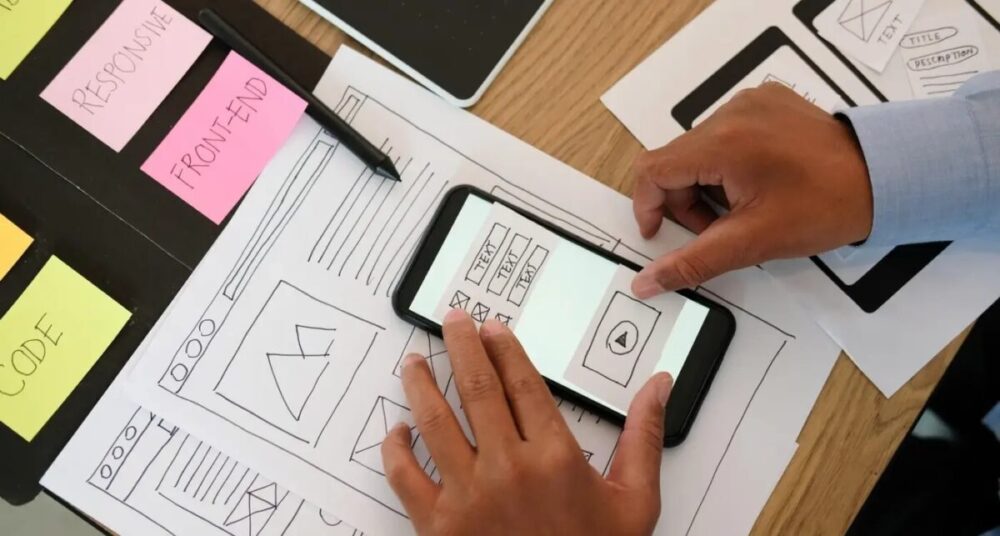
A landing page is like a product’s movie trailer. It doesn’t have to be elaborate. Just clear. Write a headline that makes people stop scrolling.
Add three ways your product will make life better. Throw in an email signup box. Done.
Now send some traffic there; maybe Facebook ads, maybe Reddit posts, whatever works for your audience. Watch what happens.
Do people hand over their email addresses? Great sign. Getting nothing? It is time to adjust your message. Or perhaps rethink it entirely.
In general, if over 10% of visitors register, you are doing very well. Less than one in twenty? Back to the drawing board.
Create a Fake Door Test
Put a button or link somewhere that represents your product idea. Maybe it’s “Try our new feature” or “Get started with X.”
When someone clicks, show them a “Coming soon; join the waitlist” message. Now count the clicks. Lots of clicks mean people want what you’re selling.
Few clicks? They’re just not that into it. The advantage is that you observe people’s actions rather than their stated intentions. Big difference.
Run the Concierge MVP

Instead of building software, become the software. Manually do whatever your product would eventually automate. Say you want to build an app that matches dogs with walkers.
Start by matching five dog owners with walkers via text message. Yes, it’s not efficient. That’s the point. You will soon figure out important features and common questions.
You work out the issues to address. One startup founder spent three months calling restaurants to book tables for customers. Exhausting? Absolutely.
However, she gained a complete understanding of how her booking system should function before she hired any developers.
Partner With Experts Who’ve Been There
You will eventually require assistance in bringing your proven concept to fruition.
A seasoned app development company offers both technical expertise and lessons learned from past endeavors.
Founders can use Goji Labs, for instance, to confirm concepts through prototypes and user feedback.
This helps them avoid substantial development costs. Bringing in seasoned professionals can prevent the novice mistakes that often jeopardize startups.
Measure Real Interest With Pre-Sales
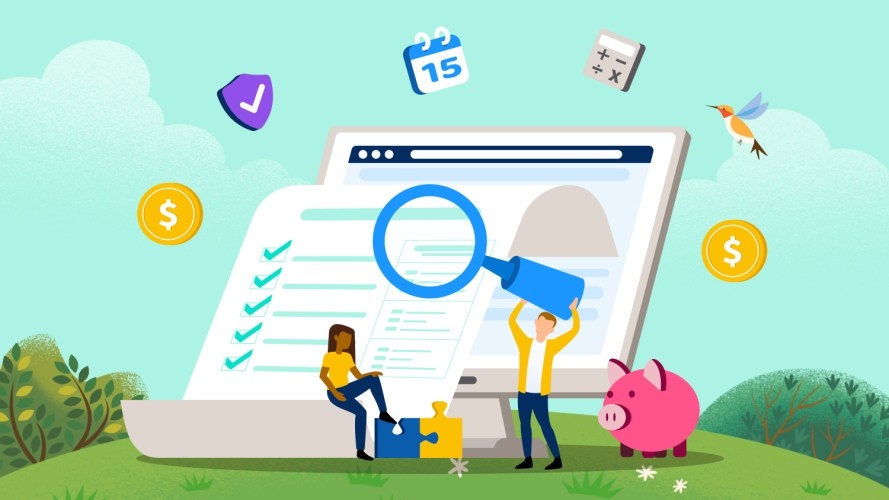
Money talks. Everything else walks. Want definitive proof people want your product? Ask them to pay for it before it exists.
Run a pre-order campaign. Set a realistic goal; maybe fifty customers or five thousand dollars. Be transparent that the product isn’t ready yet.
If people still pay, you’ve got validation gold.
Miss your target? Refund everyone and rethink things. Some founders worry that this seems shady.
It’s fine, provided you are truthful about deadlines and fulfill your commitments.
Conclusion
Testing your concept is a fundamental step before its construction. Creating a product no one wants is much more expensive than using these validation methods.
Each technique gives you different insights. Some show interest levels. Others reveal feature priorities.
Together, they paint a picture of whether your idea deserves your time and money. The market doesn’t care about your assumptions. Its priority is finding solutions to actual problems.
Your hypothesis needs testing in the real world, with customers showing you the way forward. Ultimately, their decision determines your product’s fate.