When summer comes to an end, swimming pool owners begin preparing their pools for the colder months ahead. Closing a pool involves more than balancing the water and putting away pool equipment. The pool itself needs protection from leaves, rain, snow, ice, wind and other seasonal conditions.
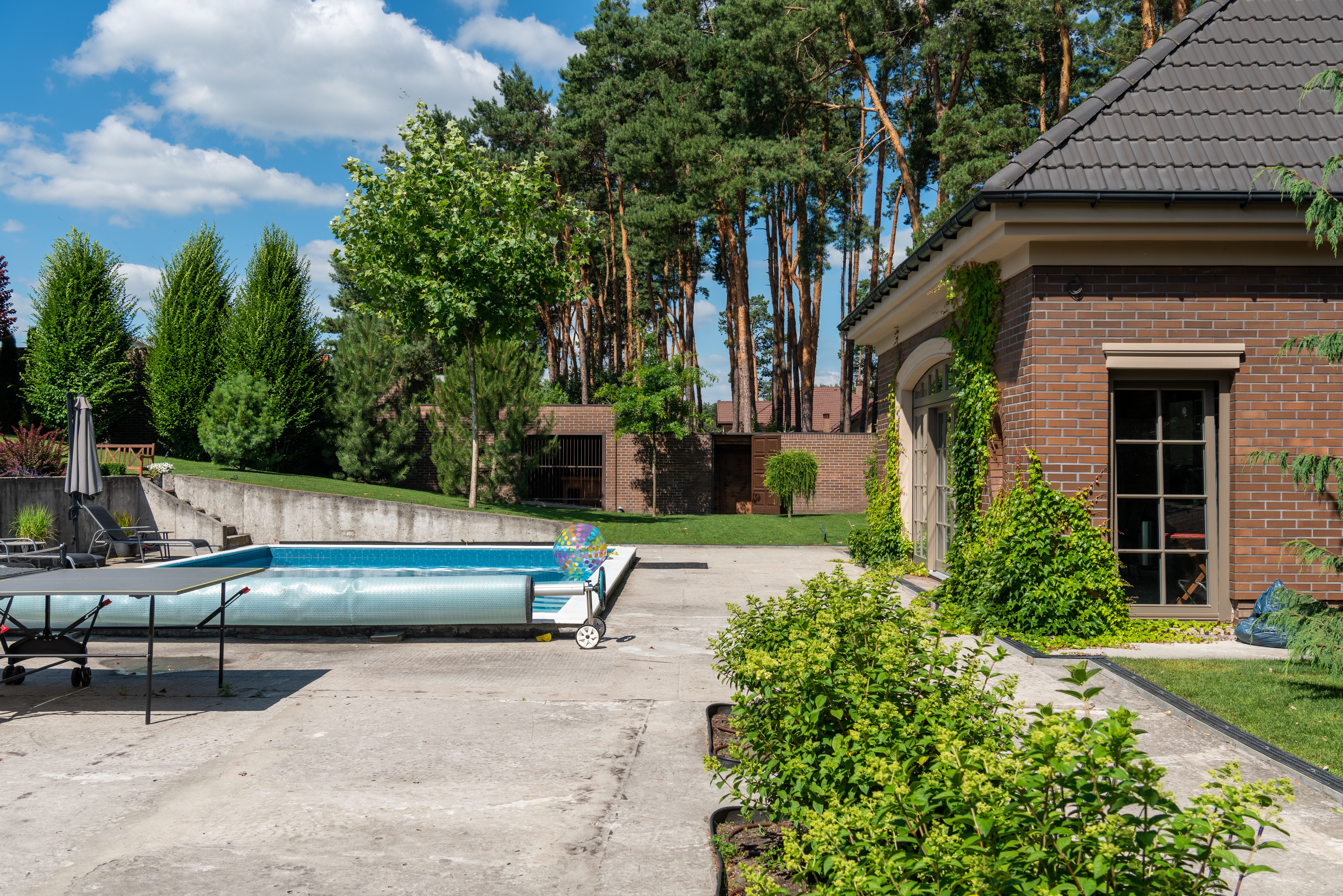
One of the most important components of an offseason pool protection plan is a properly fitted safety cover.
A custom pool safety cover is designed specifically for an individual inground swimming pool. Rather than using a generic cover that simply rests over the water, a custom safety cover is manufactured according to the pool’s dimensions and configuration. It is then secured to anchors around the pool deck using straps and springs.
For homeowners in Ocean County, a properly selected and professionally installed safety cover can make winter pool maintenance easier while providing an additional layer of protection for the swimming pool.
Custom pool safety cover services are available throughout Ocean County from NJ Waterscapes, including professional measurements, installation, replacement and inspection of existing cover hardware.
What Makes a Pool Safety Cover Different?
There are several types of pool covers available, but a custom safety cover is specifically designed to work with the dimensions and shape of an inground swimming pool.
The cover is attached to anchors positioned around the pool deck. Straps connect the cover to springs, which create tension and help hold the cover securely in place.
This design allows the cover to follow the configuration of the swimming pool rather than simply laying across the surface.
A custom safety cover can be designed for many different pool layouts. This is particularly important for homeowners who have pools with unusual shapes, attached spas, built-in steps, raised walls or other features.
A properly fitted cover may help:
- Reduce the amount of leaves and debris entering the pool
- Limit exposure to sunlight
- Reduce some offseason maintenance
- Make spring pool opening easier
- Provide an additional barrier over the pool
- Protect the pool investment during periods of non-use
- Keep the pool covered during the winter season
A safety cover is an important part of pool protection, but homeowners should remember that it is not a replacement for responsible pool safety practices or adult supervision.
Custom Merlin Pool Covers for Ocean County
Merlin Pool Covers are an option for homeowners who want a custom-made safety cover for an inground swimming pool.
Merlin Industries manufactures covers according to the dimensions and characteristics of individual pools. This custom approach allows the cover to accommodate different shapes and configurations rather than requiring homeowners to select from a limited number of standard sizes.
Merlin offers both mesh and solid safety cover materials.
Merlin Mesh Safety Covers
Mesh covers are designed to allow rainwater and melting snow to pass through the cover while helping prevent leaves and larger debris from reaching the swimming pool.
One characteristic of mesh material is that water can pass through the cover. As a result, homeowners may have less standing water collecting on the surface following rainfall or snow.
Merlin SmartMesh is designed with this type of water drainage in mind while still helping keep larger debris from entering the pool.
Merlin Solid Safety Covers
Solid safety covers provide a different approach to pool protection. The material forms a more complete barrier across the swimming pool and can help prevent debris from entering the water.
Solid covers can also help reduce sunlight reaching the pool water.
Both types of covers have advantages and different characteristics. The appropriate choice depends on the swimming pool, its surroundings, the homeowner’s preferences and the desired approach to offseason maintenance.
Pool Shapes That Can Require Custom Covers
One of the biggest advantages of a custom safety cover is its ability to accommodate different pool configurations.
Swimming pools can have considerably different layouts, even when they are approximately the same size.
A pool safety cover may need to account for features such as:
- Rectangular pool designs
- Freeform swimming pools
- Kidney-shaped pools
- Attached spas
- Built-in steps
- Ladders
- Diving boards
- Water features
- Raised walls
- Unusual pool dimensions
These features can affect the shape and measurements required for the finished cover.
A freeform pool, for example, may require significantly more detailed measurements than a simple rectangular pool. An attached spa or raised wall can also change the perimeter of the cover.
This is why professional measuring is such an important part of the process.
Why Pool Safety Cover Measurements Matter
A pool safety cover is only useful if it is properly designed for the pool it is intended to protect.
Every swimming pool has its own dimensions and characteristics. Even two pools with similar shapes may have differences that affect how the cover needs to be manufactured.
Accurate measurements provide the information needed to create a cover that corresponds with the actual pool.
Measurements may need to account for:
- Overall pool dimensions
- Pool shape
- Steps
- Attached spas
- Deck configuration
- Raised walls
- Ladders
- Diving boards
- Waterfalls
- Other permanent features
The positioning of the anchors also needs to be considered. The finished cover needs to connect properly to the hardware installed around the pool deck.
Taking the time to measure the pool correctly can help reduce problems with fit and installation later in the process.
Professional Safety Cover Installation
Ordering a custom pool cover is only part of the project. The installation and supporting hardware are also important.
A safety cover uses anchors, straps and springs to secure the cover around the swimming pool.
The installation process can involve several steps.
Measuring the Pool
The pool is measured and the unique features of the swimming pool are documented. This information is used to determine the appropriate cover configuration.
Installing or Inspecting Anchors
Anchors are positioned around the pool deck and provide the points where the cover will be secured.
If existing anchors are being used with a replacement cover, their condition should be evaluated before installation.
Connecting Springs and Straps
Springs and straps connect the cover to the deck anchors. The spring tension helps hold the cover in its intended position.
Adjusting the Finished Cover
Once the cover is installed, it should be properly positioned and adjusted. The fit should account for the pool’s shape and the various features around the pool.
Professional installation helps ensure that the cover and its hardware are working together as intended.
Pool Cover Anchors and Springs Should Not Be Overlooked
When homeowners think about replacing a pool safety cover, they often focus primarily on the fabric or material. However, the supporting hardware is also an important part of the system.
Deck anchors provide the connection points around the pool. Springs connect the cover straps to those anchors and create the tension needed to help hold the cover in place.
Many pool safety cover systems use brass or corrosion-resistant anchors designed to remain relatively unobtrusive when the cover is removed.
Existing hardware should be inspected before a replacement cover is installed.
Look for:
- Loose anchors
- Corrosion
- Damaged springs
- Worn straps
- Loose hardware
- Other visible deterioration
If the hardware is damaged, replacing only the cover may not address the entire problem.
Signs That Your Pool Cover May Need Replacement
Pool safety covers are exposed to outdoor conditions year after year. Sunlight, weather, moisture, pool chemicals and repeated installation can eventually cause the material and hardware to deteriorate.
Regular inspections can help homeowners identify problems before the cover becomes unusable.
Signs that may indicate the need for repair or replacement include:
- Tears in the cover
- Frayed straps
- Broken stitching
- Stretched material
- Damaged springs
- Corroded anchors
- Loose hardware
- Excessive sagging
- Areas where the cover no longer fits properly
A cover showing significant wear should be evaluated rather than simply put away for another season.
Having the cover inspected before winter can provide homeowners with time to determine whether the existing system can be repaired or whether a replacement cover should be ordered.
Caring for Your Pool Safety Cover
Proper care can help maximize the useful life of a pool safety cover.
Homeowners should follow the manufacturer’s recommendations for cleaning, installation, removal and storage. The cover should be inspected periodically, along with the springs, straps and deck anchors.
Before installing the cover for the winter, check the entire system for obvious signs of damage.
It is also important to follow the manufacturer’s recommendations regarding the water level beneath the cover.
Homeowners should never walk across a pool safety cover unless the manufacturer specifically states that the particular cover is designed and rated for that use.

Pool safety covers should also never be treated as a substitute for responsible adult supervision. A cover provides an additional layer of protection, but proper pool safety practices remain essential.
Pool Safety Covers Throughout Ocean County
Custom pool safety cover services are available to homeowners throughout Ocean County, New Jersey.
The service area includes communities such as:
- Toms River
- Brick Township
- Jackson Township
- Lakewood
- Manchester Township
- Berkeley Township
- Point Pleasant
Whether you own a pool in Toms River or live in another Ocean County community, preparing your pool cover before the colder weather arrives can help make the offseason transition easier.
Homeowners replacing an older cover can also have the existing cover and hardware evaluated to determine whether the system is still in suitable condition.
Why You Should Plan Your Pool Cover Replacement Early
Waiting until the pool cover has completely failed can create unnecessary problems.
If a cover has visible tears, stretched material, broken straps or damaged hardware, it is worth addressing the issue before the next winter season begins.
Planning ahead provides time to:
- Inspect the existing cover.
- Determine whether repair or replacement is appropriate.
- Measure the swimming pool.
- Select mesh or solid material.
- Order the custom cover.
- Inspect or replace supporting hardware.
- Complete installation before the pool enters the offseason.
Taking care of the process early can help avoid discovering a major problem when the pool is already being prepared for winter.
Choosing the Right Safety Cover for Your Pool
There is no single pool safety cover that is ideal for every swimming pool.
The right solution depends on several factors, including the pool’s shape, size and features. Homeowners may also have preferences concerning water drainage, debris protection and sunlight reduction.
Mesh and solid covers each have characteristics that may make one more appropriate than the other for a particular pool.
The condition of the existing deck anchors and hardware can also influence the replacement process.
For that reason, homeowners should consider the entire pool cover system rather than looking only at the cover material.
Ocean County Pool Cover Installation and Replacement
A properly fitted safety cover can play an important role in protecting an inground swimming pool during the offseason.
From the initial pool measurements through the selection of the cover material, hardware inspection and final installation, each part of the process contributes to the finished system.
Whether you are purchasing a safety cover for a newer swimming pool, replacing an older cover or considering a custom Merlin Pool Cover, professional assistance can help ensure that the cover is designed around the actual configuration of your pool.
For homeowners in Toms River, Brick Township, Jackson Township, Lakewood, Manchester Township, Berkeley Township and Point Pleasant, planning ahead can make preparing the pool for winter easier.
Frequently Asked Questions About Pool Safety Covers
What is the purpose of a pool safety cover?
A pool safety cover provides a protective covering over an inground swimming pool during periods when the pool is not being used. It can help reduce debris entering the water while providing an additional barrier over the pool.
Are Merlin Pool Covers made for individual swimming pools?
Yes. Merlin manufactures custom safety covers based on the measurements and configuration of individual swimming pools.
Should I choose a mesh or solid pool cover?
Both materials have different characteristics. Mesh covers allow water to pass through the material, while solid covers provide a more complete barrier and can help reduce sunlight reaching the water. The best option depends on the pool and homeowner preferences.
Can an irregular pool have a safety cover?
Yes. Custom safety covers can accommodate many different swimming pool shapes and configurations. Accurate measurements are particularly important for freeform pools and pools with unusual features.
How often should I inspect my pool safety cover?
The cover and supporting hardware should be inspected regularly, particularly before installing the cover for the winter season. Look for tears, worn fabric, frayed straps, broken springs, corrosion and other visible damage.
What are signs that a pool safety cover needs replacement?
Torn material, stretched fabric, broken stitching, damaged straps, excessive sagging, corroded anchors and hardware problems can all indicate that the cover should be inspected to determine whether repair or replacement is appropriate.
Can existing anchors be used with a replacement pool cover?
In some situations, existing anchors can be reused. They should first be inspected to ensure that they remain in good condition and are compatible with the replacement cover system.
How long will a pool safety cover last?
The lifespan varies depending on the cover material, exposure to sunlight and weather, maintenance and how frequently it is installed and removed. Following the manufacturer’s care recommendations can help extend its useful life.
Does a safety cover eliminate the need for pool supervision?
No. A pool safety cover should be viewed as an additional protective measure. It does not replace responsible adult supervision or other appropriate swimming pool safety practices.
When should I replace my pool safety cover?
It is best to address problems before the winter season begins. If the cover is damaged, stretched, sagging or no longer fitting correctly, having it inspected ahead of time provides an opportunity to determine whether it should be repaired or replaced.
Protect Your Ocean County Pool This Winter
Your swimming pool remains an investment even when the swimming season is over. Taking the time to properly prepare it for the offseason can help protect the pool and make the transition back to swimming season easier.
A custom safety cover designed around the dimensions and features of your inground pool can provide a secure, fitted solution for winter protection. With choices such as mesh and solid materials, homeowners can consider the characteristics that are most important for their pool and maintenance preferences.
If your current cover is showing signs of age or damage, don’t wait until the beginning of the next pool season to address the problem. A professional inspection, accurate measurements and advance planning can give you time to arrange the appropriate repair or replacement.
For homeowners throughout Ocean County, a properly selected and installed pool safety cover can be an important part of responsible offseason pool care.