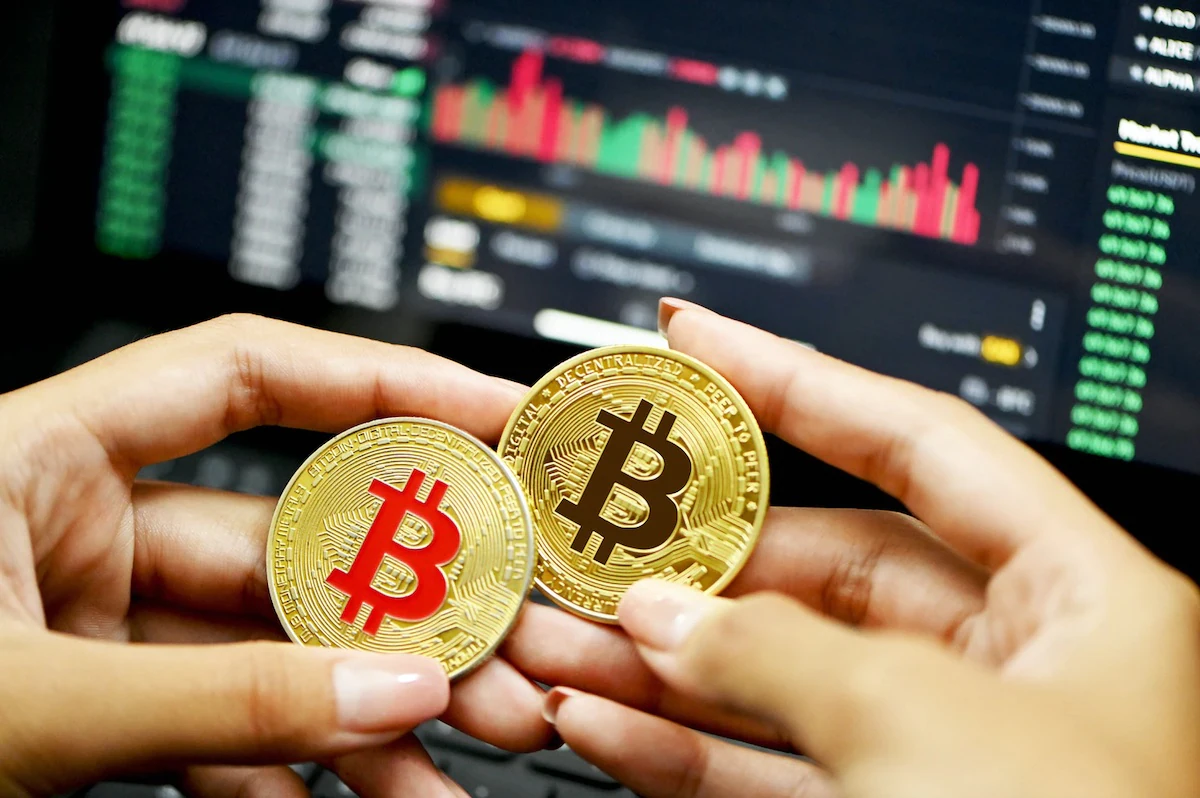
The bitcoin USD price is arguably the most tracked metric in the entire cryptocurrency market. As the first and most valuable digital asset, Bitcoin’s price in US dollars acts as a benchmark for investor confidence, market momentum, and broader economic shifts.
But the BTC/USD figure isn’t just for crypto traders; it’s used by institutions, analysts, and regulators to gauge the health and maturity of digital assets.
Here is what actually moves the bitcoin price in USD, how to track it, and why it remains a constant topic in financial news.
Why the BTC/USD Rate Matters

The US dollar is the world’s primary reserve currency and the most common fiat pairing across all exchanges. This makes BTC/USD not only the most liquid crypto trading pair globally but also the most influential. It serves as a reference point for pricing Bitcoin in virtually every market.
When investors refer to “the price of Bitcoin,” they’re almost always talking about its dollar value. Whether you’re trading in pounds, euros, or stablecoins, the bitcoin price usd forms the baseline for conversions, trend analysis, and risk management.
It’s also deeply tied to how Bitcoin is viewed as an asset class. A rising BTC/USD rate often signals growing confidence in decentralised finance, while sharp drops can point to market risk aversion or regulatory uncertainty.
What Influences the Bitcoin Price in USD?

Several forces influence the real-time value of Bitcoin against the dollar. The most fundamental is its fixed supply: only 21 million BTC will ever exist. As demand increases and supply tightens (especially during Bitcoin halving cycles), upward pressure builds on price.
The other side of the equation is the strength of the dollar itself. Macroeconomic indicators such as US inflation, interest rate changes, and GDP forecasts often impact investor appetite for risk assets like BTC. For example, when the US Federal Reserve hints at higher interest rates, Bitcoin often reacts as capital flows shift toward or away from traditional markets.
Other factors include institutional involvement, global adoption, miner activity, regulatory headlines, and even social media-driven sentiment. All of these play a part in shaping BTC’s value in USD terms, sometimes minute by minute.
Did you know?
Bitcoin’s halving events cut miner rewards by 50 percent roughly every four years. This slows the rate at which new coins enter circulation and historically leads to major changes in market behavior.
Where to Track Bitcoin Price USD Accurately
For the most reliable and up-to-date view of the bitcoin price usd, the Bybit Bitcoin price tracker provides:
- Live BTC/USD exchange rate
- 24-hour and weekly performance metrics
- Market cap and volume insights
- Historical chart data for trend analysis
Bybit’s platform offers a fast and user-friendly interface to monitor movements, whether you’re a short-term trader or a long-term holder.
Comparing Key Bitcoin Price Drivers
Below is a simple table that illustrates how different forces influence the BTC/USD rate and how quickly their effects may appear.
| Influence Factor | Description | Speed of Impact |
| Supply limits and halving cycles | Reduced issuance increases scarcity | Medium to long term |
| Macroeconomic trends | USD strength, inflation, interest rates | Short to medium term |
| Institutional involvement | Major fund flows, ETF activity | Immediate to medium term |
| Regulatory developments | Policy shifts, legal decisions | Immediate |
| Market sentiment | Social media momentum, news cycles | Instantaneous |
This comparison helps traders and analysts understand which signals can move the market quickly and which shape long-term trends.
How Traders Use BTC/USD Data In Practice

BTC/USD isn’t just a headline number. Traders rely on it for a variety of decisions that affect positioning, timing, and broader market interpretation.
Here’s how it’s often used:
- To assess short-term volatility and determine entry or exit timing
• To compare Bitcoin’s strength relative to other risk assets
• To measure market sentiment during economic announcements
• To calculate conversions between BTC and other fiat or crypto pairs
• To support hedging strategies during periods of high uncertainty
This makes the bitcoin USD price a central reference point for technical analysts, macro traders, and long-term holders alike.
Wrap-Up
Understanding the bitcoin USD price is ultimately about understanding where Bitcoin fits into the global financial system. Its value reflects not only the fundamentals of a scarce digital asset but also the broader economic landscape shaped by monetary policy, investor sentiment, and geopolitical trends. Monitoring BTC/USD gives traders and observers a clear window into how the market is shifting in real time.