For most people, the keyboard is the tool they touch more than anything else on a computer. Writers, developers, gamers, students, and office workers all spend hours typing every day. Yet many people still use their keyboard exactly as it came out of the box.
That approach works, but it rarely feels comfortable or efficient. Small adjustments can change how typing feels and how quickly ideas move from your mind to the screen.
Personalizing a keyboard does not require technical skills or expensive equipment. A few thoughtful tweaks can improve typing speed, reduce fatigue, and make daily work feel smoother.
Start With Software Customization
One of the easiest ways to improve keyboard efficiency is through typing software and input method tools. These tools adjust how characters appear, suggest words, and simplify repetitive typing patterns.
Many users who work with multilingual content or complex input systems rely on specialized typing software. For example, if you often type Chinese text or switch between languages, installing the 搜狗输入法电脑版下载 option can make typing significantly smoother because it offers smart predictions and adaptive input features that learn your typing habits over time.
Software customization usually includes features such as:
- predictive text suggestions
- phrase shortcuts
- automatic punctuation correction
- personalized dictionaries
These tools reduce the number of keystrokes required to complete common phrases, which gradually increases typing speed.
Adjust Key Functions and Shortcuts
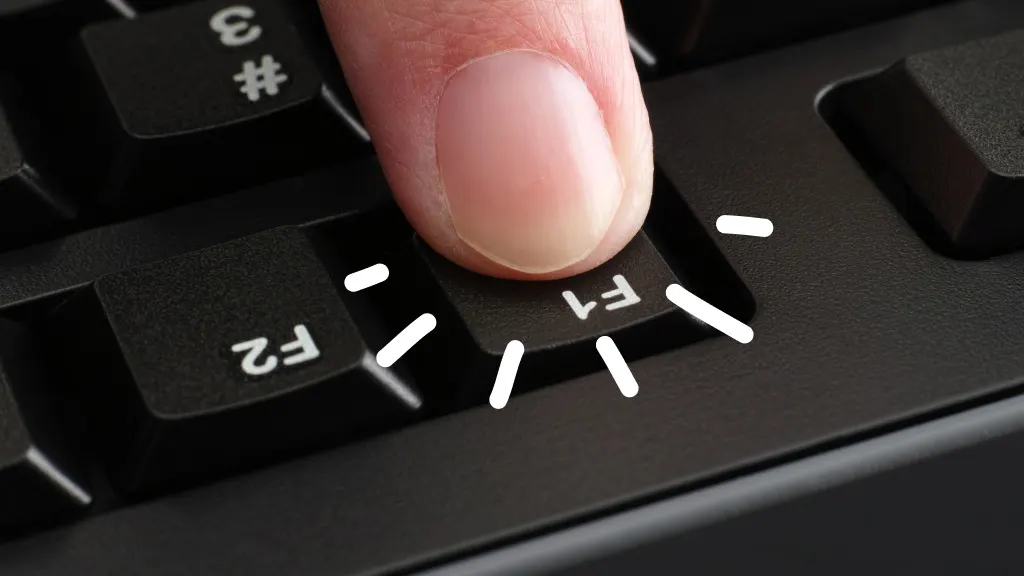
Keyboard shortcuts are one of the fastest ways to increase productivity. Instead of navigating menus with a mouse, shortcuts allow instant access to commands.
Many people use only a handful of shortcuts even though most applications support dozens. Expanding your shortcut habits can save significant time during everyday tasks.
Here are several shortcut habits worth building:
- Copy, paste, and undo shortcuts become second nature during editing work.
- Window navigation shortcuts help switch between programs quickly.
- Text selection shortcuts speed up document editing.
- Browser shortcuts allow faster tab management and search.
Did you know?
Research from the University of Copenhagen found that experienced shortcut users complete digital tasks up to 30 percent faster than mouse dependent users.
Learning two or three new shortcuts each week gradually builds a much faster workflow.
Change the Physical Feel of Your Keyboard
Software adjustments improve typing logic, but physical customization changes how typing actually feels under your fingers.
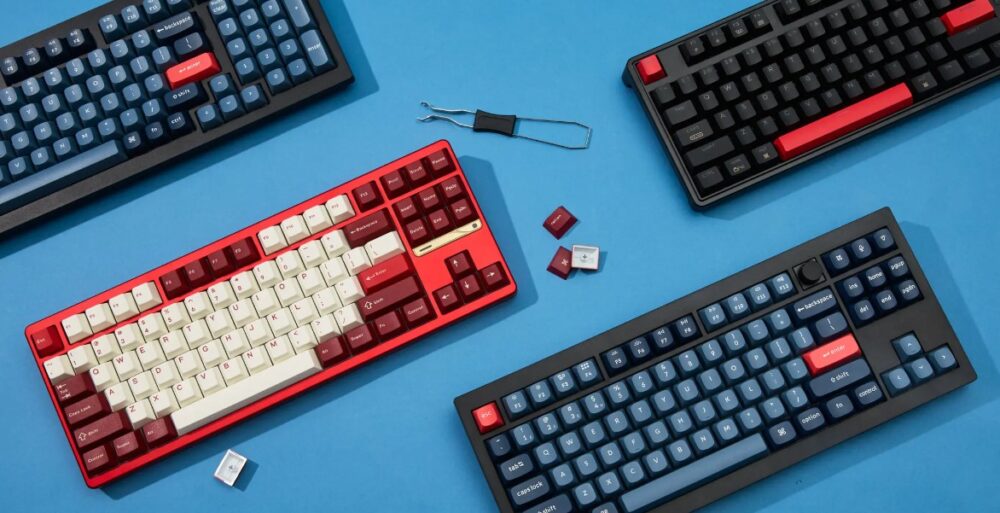
Mechanical keyboard users often spend time adjusting switches, keycaps, or stabilizers to create a specific typing experience. Even with a standard keyboard, several small changes can help.
Consider experimenting with the following adjustments:
- Keycap shape and texture can improve finger positioning.
- Wrist rests help maintain a neutral typing angle.
- Desk placement influences posture and comfort.
- Keyboard tilt changes pressure on your wrists.
Some people prefer quieter keyboards for office work. Others enjoy tactile feedback that confirms each keystroke.
The right combination depends on typing habits, workspace setup, and personal comfort preferences.
Build a Personal Shortcut System
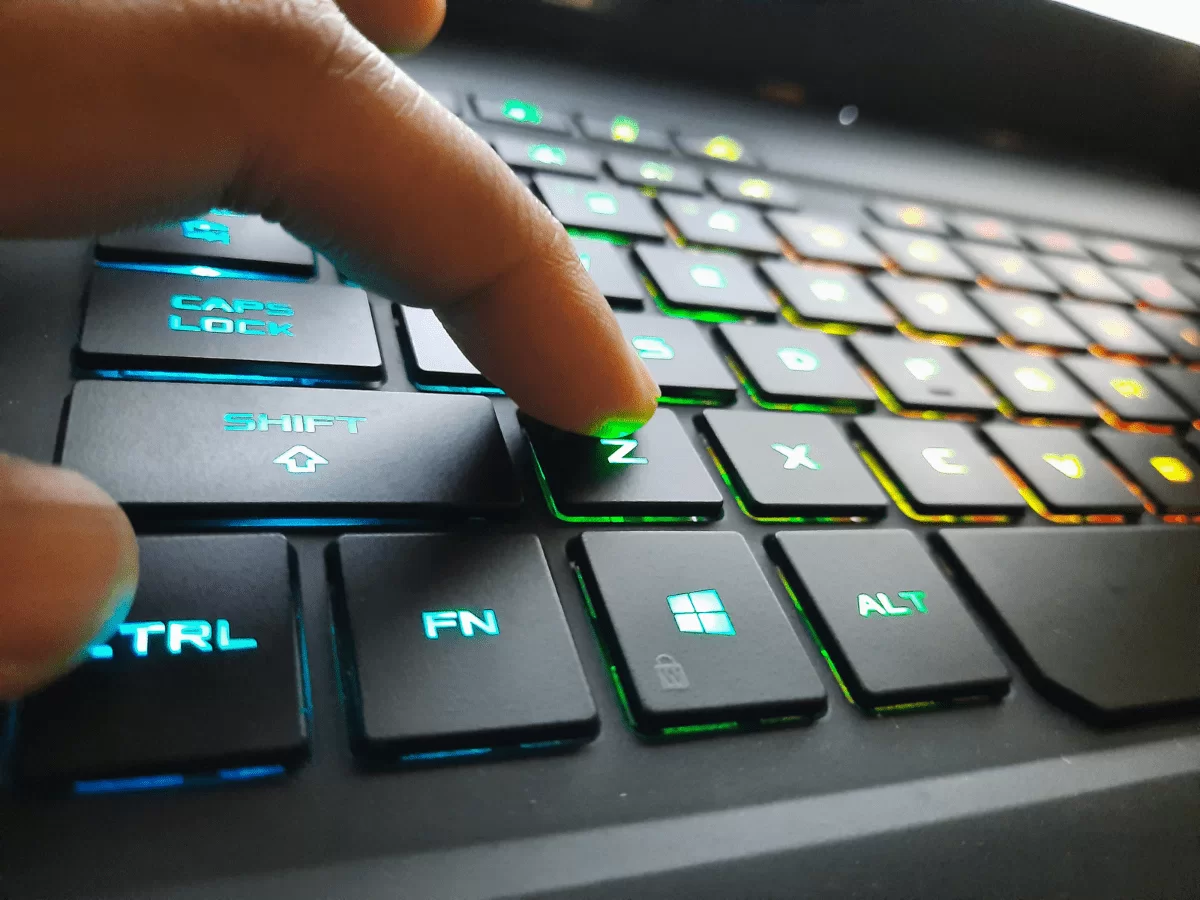
Beyond built in shortcuts, many users create custom commands for phrases or tasks they repeat often.
Writers, customer support agents, and developers often rely on text expansion tools that automatically insert full sentences when a short trigger is typed.
For example, typing a short abbreviation could instantly expand into a full email response or technical command.
Here is a simple comparison of common shortcut systems:
|
Shortcut Type |
Example |
Main Benefit |
| Text expansion | Typing “addr” inserts full address | Saves repeated typing |
| Macro shortcuts | One key performs multiple actions | Automates routine tasks |
| Custom hotkeys | Assigned key opens specific program | Faster navigation |
Once these systems are set up, routine typing tasks become significantly faster.
Improve Layout Awareness
Keyboard efficiency often depends on how familiar you are with the layout itself. Touch typing remains one of the most valuable skills for anyone who works on a computer regularly.
People who rely on visual typing usually type slower and make more corrections. Developing layout awareness improves both speed and accuracy.
Practical habits that help build this skill include:
- practicing short typing drills a few minutes each day
- keeping eyes focused on the screen rather than the keyboard
- using typing practice tools to reinforce muscle memory
Professional typists can exceed 100 words per minute because their brain processes word patterns rather than individual keys.
Over time, your fingers begin to move automatically, which reduces mental effort during writing tasks.
Create an Ergonomic Typing Setup
Efficiency is not only about speed. Comfort plays a huge role in maintaining productivity throughout the day.
Poor keyboard positioning often leads to wrist pain, shoulder tension, and slower typing performance. Small ergonomic adjustments can prevent these issues.
A comfortable typing setup usually includes:
- keyboard positioned at elbow height
- wrists kept straight rather than bent
- screen placed at eye level
- chair supporting natural posture
When your posture supports natural movement, typing becomes smoother and less tiring.
Train Your Brain to Work With the Keyboard

The final step toward a personal and efficient keyboard setup involves habit formation. Technology alone does not change productivity unless you consistently use it.
Building new typing habits requires practice and awareness during daily work.
A few practical methods help reinforce new keyboard habits:
- setting weekly goals for learning shortcuts
- adjusting software suggestions as you type
- refining custom phrases or macros over time
Most people notice improvements after just a few weeks of focused adjustment.
As typing becomes more intuitive, your keyboard begins to feel less like a tool and more like an extension of your thinking process.
Making Your Keyboard Truly Yours
A keyboard may seem like a simple device, yet it sits at the center of nearly every digital task. Writing, coding, messaging, researching, and designing all depend on how easily you can translate ideas into keystrokes.
Personalizing your keyboard improves both comfort and efficiency. Software tools simplify typing patterns. Physical adjustments improve feel and ergonomics. Shortcut habits reduce unnecessary actions.
The key idea is gradual improvement. Instead of changing everything at once, introduce one adjustment at a time and observe how it affects your workflow.
Soon enough, typing becomes smoother, faster, and far more personal. And once that happens, your keyboard stops feeling generic and starts feeling like it was built specifically for you.